Tag Archives: Leitrim

The Show

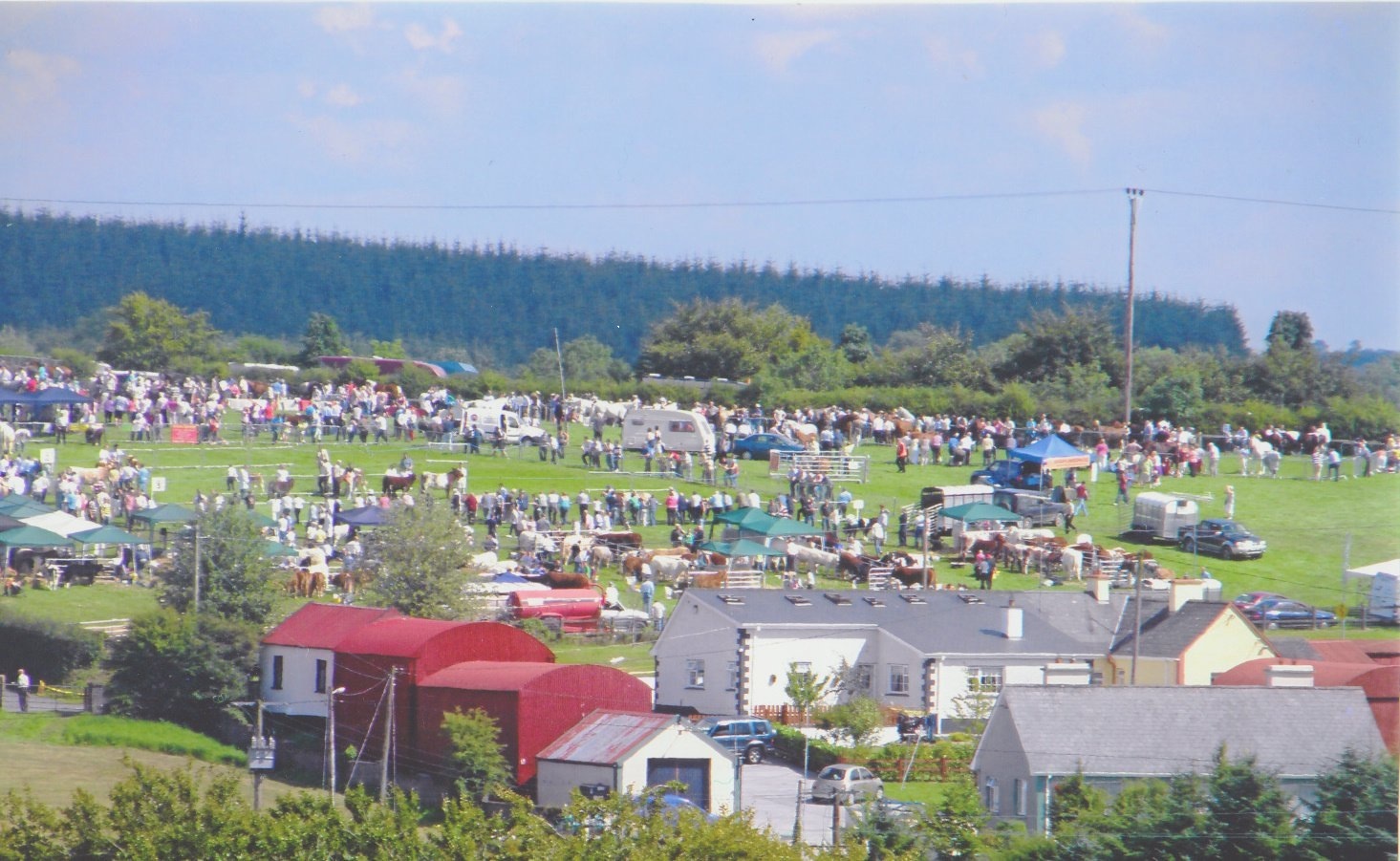
imageIn Ancient times the Celts held their great festivals and gatherings in the month of August or Lunasa as it was then known. It was the month of the harvest when the first berries ripened. It is therefore not altogether inappropriate that the local farming community of Mohill and its hinterland chose this month to host their annual show.

For the farmer August is never quite the same from year to year. Each summer he goes head to head against the elements in an eternal battle between man and nature. It is a struggle that has been repeated again and again over the millennia. While the weather is always variable there is one constant every year, and as August draws to a close and one starts to notice the first drawing in of the evenings, thoughts invariably started turning to the Show. In our house it was never known as Mohill Show, it was simply “The Show”, and at that it was the grand dam of all shows. Its roots dating back to the pre famine times of Lord Leitrim and ultimately revived in the 1920’s by a dynamic Padre known as Canon Masterson. Our Show, for us there really is no event quite like it. There was just something about this particular day when the country folk took control of the town, when they brought out their finest stock and produce and when the world was turned topsy-turvy for a few short hours. The long summer days in the fields or backbreaking hours on the bog were now forgotten.

The Show was more than just a one day event, it was as much about the anticipation, the preparations, the memory of the previous year perhaps, the preceding weeks leading cattle around the back roads, turning mad beasts fit for a rodeo into docile stars of the Show Ring. I can remember one occasion when aged not more than ten or eleven. I was leading a feisty heifer in our front field. As she took flight I stumbled, I held on to the rope as long as I could but she had me beaten all ends. As I let go I noticed I was minus one half of my footwear. Try as we might we could not locate the missing shoe. Ten months later the fate of the lost shoe was known. A trailer load of grass was tipped on to the silage slab, and there it was, my old shoe, tattered torn and ragged from its exposure.

The evening before the Big Day the cattle for showing were brought in from the fields. We haltered, washed, scrubbed and combed them. Plastic buckets overflowing with fairy liquid and warm water. There were several different types of combs for the different animals. The Herefords with their wiry hair, the big Shorthorn cow, her gleaming red hide and friendly polled head. Extra bedding was placed in the byres and with it the hope that the next morning the main actors would still be spic and span. When all was done some one might call into McGowan’s house to get a preview of the show book, hot off the press, from Aideen or Lourda, the overworked Secretaries. The Show Book listed all the classes and prizes and also the entrants, the friendly opposition.

An early breakfast was essential on Show morning as there was a busy few hours ahead. When finally ready we walked the cattle to the show. It was only a mile but what an adventure. Some passing motorists would always stop to say hello and drive alongside, windows down, half tanned arms lazily hanging out the side, commenting on how well our cattle looked and wishing us luck.

Crossing the town was always a bit nerve wracking, hoping the cattle wouldn’t stampede or damage a car, nearing the park, finding a good spot along the wall which would become HQ for the day. When we got into position there began another intense session of grooming and combing. A quick gander around the field to size up the opposition and see what our chances of success were.

The PA would then crack into life and get the show on the road. The classes were called. “When are we on?” “We’re next after that class in Ring two” “Who is judging?” “Get ready”. If not leading then a good ringside seat to watch proceedings. “How is she walking, how does she look, is the judge looking at her, is he calling her in, No?” “He’s calling her in now, where will he place her?” anxious moments, he is talking to my father for the longest time, then the rosettes in his hand, “what colour is it? Its red, yes we’ve won!”

And so the drama went on in pursuit of the Red rosette. The morning would simply fly by. There might get a short break and a chance to visit the horses and ponies. These were always over at the Boeshil end of the Park. Sometimes there was Showjumping and we watched the McGuinnesses with awe clearing the jumps effortlessly. The driving cars were always a highlight with Joe Beirne and family driving in fine style. Then was the Donkey Derby and great excitement and it always seemed to be won by the one of the Mees

Then back for the young stockman class. Some young naturals, unfortunately I wasn’t one of them, others under a little bit of parental pressure, some really looking the part with white coats. The standing of the animals feet was most important and animals were constantly been wheeled around again and their feet poked with sticks to get them standing perfectly, like a bovine Miss World pageant. Some poor devil would be struggling with a little heifer that was prancing around like a ballerina that morning, yet has somehow being transformed into a stubborn mule. A younger sibling is quickly press ganged in to walk behind and “push her on”.

My favourite event was the dog show. I entered a few times but the pedigree of our dogs was, well, questionable. It was still a great day out for the dog and what would he be at home anyway when we were all here. You could tell he wasn’t used to these big days unlike the professional poser dogs, posing nonchalantly, barely casting a sideward glance at our collie cross pulling hard against this strange leash. Don’t worry about it Sammy, we still think you’re the greatest and tomorrow I’ll get a big bag of bones from Paddy Kilrane or Logans to make up for the disappointment of coming last in your class.

The Shows in the 1980’s always seemed to be cursed with wet weather and I can remember people scrambling for shelter in trailers. If it was a long shower it wasn’t long before the air was sweet with the pungent scent of Woodbines or  Sweet Aftons.

The buzz around the field was magical. There were Chip Vans manned by the late Aubrey and Barney, Mr Whippy ice cream, the Photograph Section, the sheep and goats, the prize vegetables. My brother Enda entered three beets one show, which he had tended to all spring under the watchful eye of my granny. “And what would you know about Beets” as we taunted him. But he had the last laugh when he picked up his two pounds first prize. In the sheds the eagle eyed stewards had their hands full trying to keep quick handed urchins from running off with prized buns and mouth-watering cakes.

A quick trip over the town with my grandfather to Sheila McGarry’s Public House was obligatory. The little pub which was usually very quiet the rest of the year was packed on Show Day. Men with sticks and caps greeted each other enthusiastically. Their nicotine stained fingers clutching a half one and a glass of Guinness on the Counter as well.

The day gradually drew to a close and we gathered up our gear and headed across the town with our cattle. This was a trickier proposition; the traffic would be a lot heavier than this morning. As we neared home the cattle started getting excited as they sensed familiar pastures, a few quick lows from the lead cow and then the lows from away off from our other cattle, the ordinary cattle, those not deemed to have royal enough blood to go the Show. The Show cattle now quickened their pace, and when we got to the bottom of our lane we usually took the halters off and let them run up the rest of the way to the farm yard themselves. They knew where to go. They say a good huntsman would not let a morsel pass his lips until his animal was fed, watered and comfortable. We were no different.

A quick cup of tea and then into John James McKeon’s or Caseys where every animal on display at the Show that day was examined, discussed and judged anew. Commiserations for some who didn’t win, but felt should have, while those who did win tried hard to be humble about their success. The Show Dance brought matters to an end but the planning for the next one had already begun.
Leitrim’s Titanic Victim

titanic_ship-1920x1080

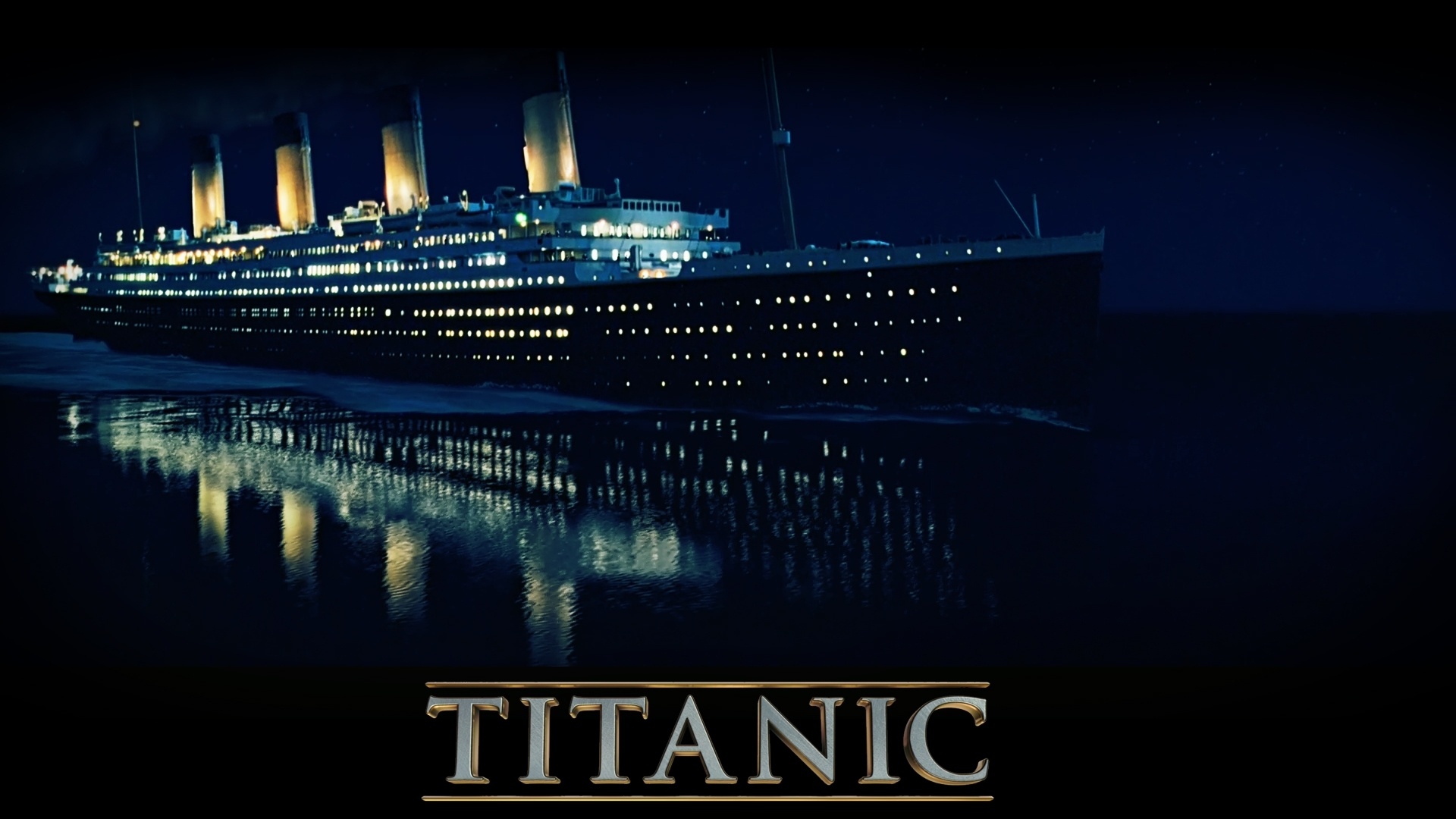
Matthew Sadlier was born on the Lough Rynn Estate, Mohill, Co. Leitrim in 1892 where after school he took employment as a farm labourer. In 1912 he decided to emigrate and join some family members who had previously settled in Lakewood, New Jeresey, USA. Matthew purchased a 3rd Class ticket (Ticket No. 367655 , £7 14s 7d) and embarked from Queenstown, Co. Cork on Thursday the 11th April, 1912. The name of the ship was ‘Titanic’ the pride of the White Star Line enroute to new York on her maiden voyage. The rest  as the saying goes is History.

When the iceberg hit Matthew was in the wrong place at the wrong time. Matthew Sadlier died in the disaster. His body, if it was recovered, has never been idenitifed.

I came across this link which goes a little way to remembering the young lad.

http://www.titanicattraction.com/titanic-stories/titanic-stories-week19.php

Local media reports that a Committee has been set up with Mohill Foroige Group and other people interested in commemorating the short life, and tragic end of young Matthew Sadlier, on one of the most iconic ships ever built.

Breifne Ua Ruairc

breifne_baronies


Extract from the Rev. M. Connellan,a wonderful historian which explains the origins of the O’Rourkes of Breifne:-

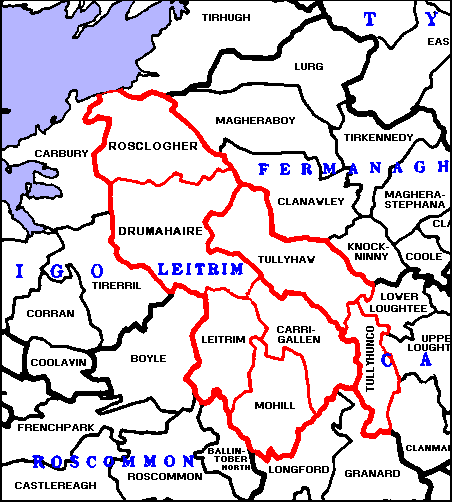
THE chiefs and clans of Brefney and the territories they possessed in the twelfth century, are, according to O’Dugan, as follows:–1. O’Ruairc or O’Rourke; 2. O’Raghailaigh or O’Reilly: these were the princes of the territory of Brefney. 3. Mac-Tighearnain (tigherna, Irish, “a lord or master”), anglicised MacTernan, McKiernan, and Masterson, were chiefs of Teallach Dunchada (signifying the tribe or territory of Donogh), now the barony of “Tullyhunco,” in the county Cavan. 4. The Mac-Samhradhain (anglicised MacGauran, Magauran, and Magovern) were chiefs of Teallach Eachach (which signifies the tribe or territory of Ecchy), now in the barony of “Tullaghagh,” county Cavan. This sirname is by some rendered “Somers,” and “Summers,” from the Irish word “Samhradh” [sovru], which signifies “summer”. 5. MacConsnamha (snamh: Irish, “to swim”; anglicised “Ford” or “Forde”), chief of Clan Cionnaith or Clan Kenny, now known as the Muintir Kenny mountains and adjoining districts near Lough Allen, in the parish of Innismagrath, county Leitrim. 6. MacCagadhain or MacCogan, chief of Clan Fearmaighe, a district south of Dartry, and in the present barony of Dromahaire, county Leitrim. O’Brien states that the MacEgans were chiefs of Clan Fearamuighe in Brefney: hence MacCagadhain and MacEgan may, probably, have been the same clan.

7. MacDarchaidh or MacDarcy, chief of Cineal Luachain, a district in the barony of Mohill, county Leitrim, from which the townland of Laheen may he derived. 8. MacFlannchadha (rendered MacClancy), chief of Dartraidhe or Dartry, an ancient territory co-extensive with the present barony of Ross-Clogher in Leitrim. 9. O’Finn and O’Carroll,# chiefs of Calraighe or Calry, a district adjoining Dartry in the present barony of Dromahaire and comprehending, as the name implies, an adjoining portion of Sligo, the parish of “Calry” in that county. 10. MacMaoilliosa or Malllison, chief of MaghBreacraighe, a district on the border of Leitrim and Longford. 11. MacFionnbhair or Finvar, chief of Muintir Gearadhain (O’Gearon or O’Gredan), a district in the southern part of Leitrim. 12. MacRaghanaill or MacRannall (angilcised Reynolds), who were chiefs of Muintir Eoluis, a territory which comprised almost the whole of the present baronies of Leitrim, Mohill, and Carrygallen, in the county Leitrim, with a portion of the north of Longford. This family, like the O’Farrells, princes of Annaly or Longford, were of the race of Ir or Clan-na-Rory; and one of their descendants, the celebrated wit and poet, George Nugent Reynolds, Esq., of Letterfian, in Leitrim, is stated to have been the author of the beautiful song called “The Exile of Erin,” though its composition was claimed by Thomas Campbell, author of “The Pleasures of Hope.” 13. O’Maoilmiadhaig or Mulvey, chief of Magh Neise or Nisi, a district which lay along the Shannon in the west of Leitrim, near Carrick-on-Shannon. The clans in the counties of Cavan and Leitrim, not given by O’Dugan, are collected from other sources:

14. MacBradaigh or MacBrady, was a very ancient and important family in Cavan; they were, according to MacGeoghagan, a branch of the O’Carrolls, chiefs of Calry. 15. MacGobhain, MacGowan, or O’Gowan (gobha: Irish, “a smith”), a name which has been anglicised “Smith,” etc., were of the race of Ir; and were remarkable for their great strength and bravery. Thus Smith, Smyth, Smeeth, and Smythe, may clam their descent from the Milesian MacGowan, originally a powerful clan in Ulidia. 16. MacGiolladuibh, MacGilduff, or Gilduff, chiefs of Teallach Gairbheith, now the barony of “Tullygarvey,” in the county Cavan. 17. MacTaichligh or MacTilly, chief of a district in the parish of Drung, in the barony of Tullygarvey. 18. MacCaba or MacCabe, a powerful clan originally from Monaghan, but for many centuries settled in Cavan. 19. O’Sheridan, an ancient clan in the county Cavan. Richard Brinsley Sheridan, one of the most eminent men of his age, as an orator, dramatist, and poet, was of this clan. 20. O’Corry was a clan located about Cootehill.

21. O’Clery or Clarke was a branch of the O’Clerys of Connaught and Donegal, and of the same stock as the authors of the Annals of the Four Masters. 22. O’Daly and Mulligan, were hereditary bards to the O’Riellys. 23. Fitzpatrick, a clan originally of the Fitzpatrlcks of Ossory. 24. Fitzsimon, a clan long located in the county Cavan of Anglo-Norman descent, who came originally from the English Pale ##. 25. O’Farrelly, a numerous clan in the county Cavan. 26. Several other clans in various parts of Cavan, as O’Murray, MacDonnell, O’Conaghy or Conaty, O’Connell or Connell, MacManus, O’Lynch, MacGilligan, O’Fay, MacGafney, MacHugh, O’Dolan, O’Drum, etc.27. And several clans in the county Leitrim, not mentioned by O’Dugan, as MacGloin of Rossinver; MacFergus, who were hereditary erenachs of the churches of Rossinver, and whose name has been auglicised “Ferguson”; O’Cuirnin or Curran, celebrated bards and historians; MacKenny or Keaney, MacCartan, O’Meehan, etc.

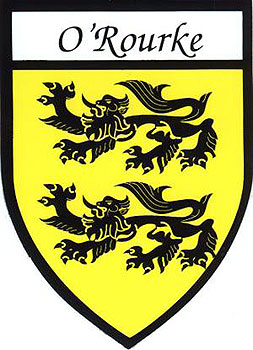
O'Rourkecropped-leitrim-coco.gif

* Brefney: In Irish this word is “Breifne” or “Brefne,” wbich signifies the Hilly Country; it was cailed by the English “The Brenny,” and has been Latinized “Brefnia” and “Brefinnia.” This ancient territory comprised the present counties of Cavan and Leitrim, with a portion of Meath, and a part of the barony of Carbury in Sligo; O’Rourke being prince of West Brefney or Leitrim; and O’Rielly, or O’Reilly, of East Brefney or Cavan. Brefney extended from Kells in Meath, to Drumcliff in the county Sligo and was part of the Kingdom of Connaught, down to the reign of Queen Elizabeth, when it was formed into the Counties of Cavan and Leitrim, and Cavan was added to the province of Ulster. In this territory Tiernmas, the 13th Monarch of Ireland, was the first who introduced Idol worship into Ireland; and set up at Moy Slaght (now Fenagh, in the barony of Mohill, county Leitrim) the famous idol Crom Cruach, the chief deity of the Irish Druids which St. Patrick destroyed.

Brefney was inhabited in the early ages by the Firvolgians who are by some writers called Belgae and Firbolg), who went by the name of “Ernaidhe”, “Erneans”, and “Ernaech”; which names are stated to have been given them from their inhabiting the territories about Lough Erne. These Erneans possessed the entire of Brefney. The name “Brefney” is, according to “Seward’s Topography,” derived from “Bre,” a hill, and therefore signifies the country of hills or the hilly country: a derivation which may not appear inappropriate as descriptive of the topographical features of the country, as innumerable hills are scattered over the counties of Cavan and Leitrim. On a vast number of these hills over Cavan and Leitrim are found those circular earthen ramparts called forts or raths, and some of them very large; which circumstance shows that those hills were inhabited from the earliest ages. As several thousands of these raths exist even to this day, and many more have been levelled, it is evident that there was a very large population in ancient Brefney. The erection of these raths has been absurdly attributed to the Danes, for it is evident that they must have formed the chief habitations and fortresses of the ancient Irish, ages before the Danes set foot in Ireland, since they abound chiefly in the interior and remote parts of the country, where the Danes never had any permanent settlement.

Ancient Brefney bore the name of Hy Briuin Breifne, from its being possessed by the race of Brian, King of Connaught, in the fourth century, brother of Niall of the Nine Hostages, and son of Eochy Moyvane, Monarch of Ireland from A.D. 357 to 365, and of the race of Heremon. That Brian had twenty-four sons, whose posterity possessed the greater part of Connaught and were called the “Hy-Briuin race.” Of this race were the O’Connors, kings of Connaught; O’Rourke, O’Rielly, MacDermott, MacDonogh, O’Flaherty, O’Malley, MacOiraghty (MacGeraghty, or Geraghty), O’Fallon, O’Flynn (of Connaught), MacGauran, MacTiernan, MacBrady or Brady, etc. In the tenth century Brefney was divided into two principalities, viz, Brefney O’Rourke or West Brefney, and Brefney O’Rielly or East Brefney. Brefney O’Rourke comprised the present county Leitrim, with the barony of Tullaghagh and part of Tullaghoncho in the county Cavan; and Brefney O’Rielly, the rest of the present county Cavan: the river at Ballyconnell being the boundary between Brefney O’Rourke and Brefney O’Rielly, the O’Rourkes being the principal chiefs. “O’Rourke’s Country” was called Brefney O’Rourke; and “O’Rielly’s Country” Brefney O’Rielly. The O’Rourkes, and O’Riellys maintained their independence down to the reign of James the First, and had considerable possessions even.”


‘JAZZING EVERY NIGHT OF THE WEEK’

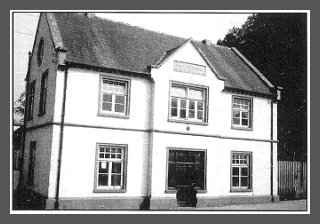
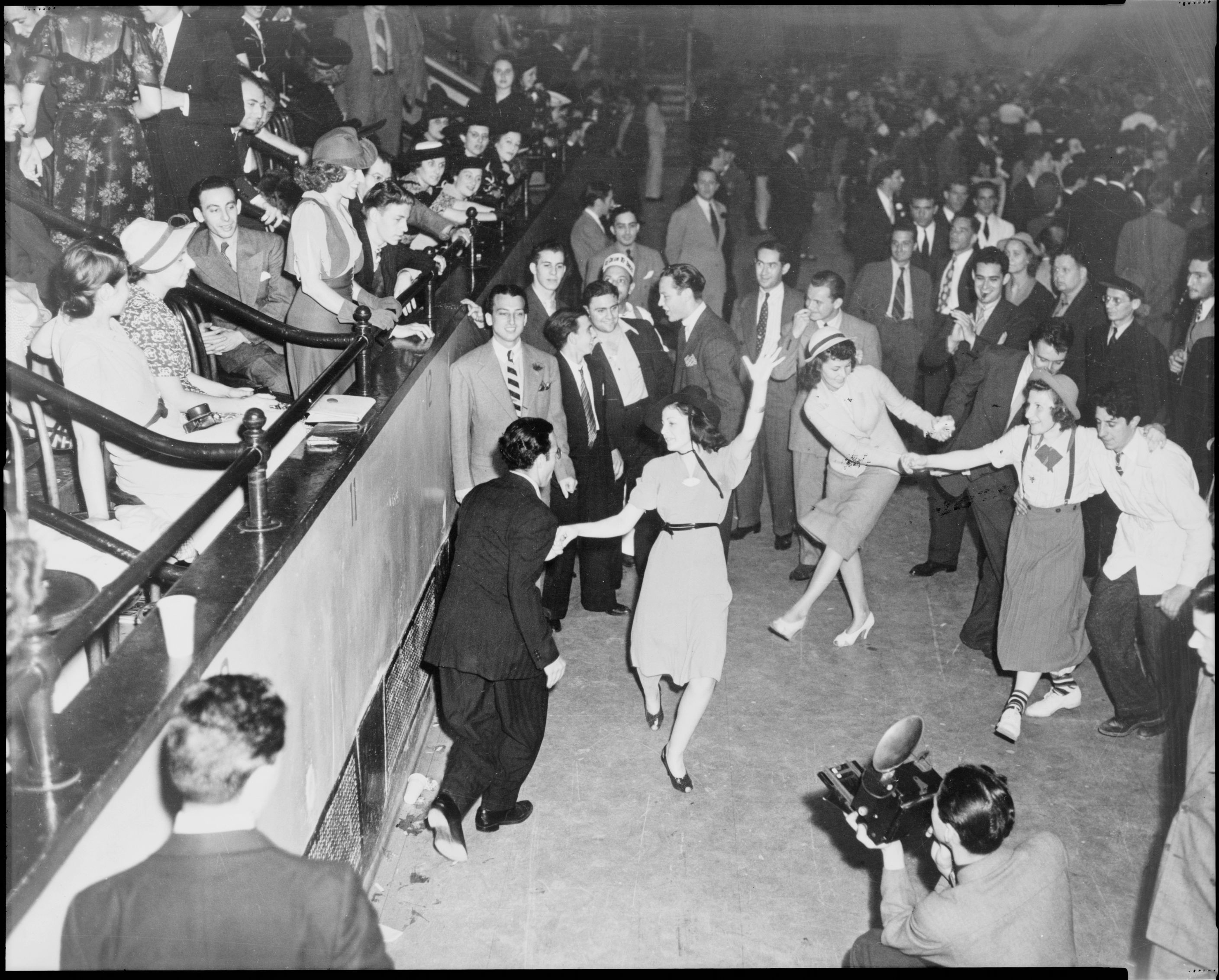
Canon Donohoe Hall, Mohill, Co. LeitrimJitterbug_dancers_NYWTS

The Anti-Jazz Campaign

Mohill and Cloone became the national centre of the infamous Anti – Jazz campaign of the early 1930’s. The leader of the campaign was the parish priest of Cloone, Fr. Peter Conefrey.  Conefrey was an ardent cultural nationalist and was heavily involved in the promotion of Irish music, dancing and the Irish language.  He devoted his life to making parishioners wear home – spun clothes and become self – sufficient in food.

Many people who look at the anti-jazz campaign often do so in isolation of the cultural context and background in which these events played out. The new Irish State faced enormous economic and social problems including high unemployment rates and falling living standards. The hierarchy of the Catholic Church had grown considerably in power and influence after independence and began to pre-occupy itself with perceived threats to the virtue of it flock. In the Lenten pastorals of 1924 the Irish Bishops addressed mass-goers on a number of evils and sources of degradation; these threats included women’s fashions, immodest dress, indecent dancing, theatrical performances and cinema exhibitions, evil literature, drink, strikes and lock-outs. By 1931 Archbishop McRory had taken to attacking the dangers of increased mobility which was bringing people into more and more contact with various evil vices. Now even the humble bicycle was a conduit for moral danger whilst ‘the motor car was seen as an instrument of seduction in the hands of unscrupulous males’.

Of all the perceived threats to the moral health of the nation one rose high above all others, the unlicensed Dance Hall, The clergy were not against dancing in principle. It was a perfectly healthy activity so long as the dances were of Irish Origin and the supervision was close. Cardinal Logue stated

‘They (ceili dances) may not be the fashion in London and Paris. They should be the fashion in Ireland. Irish dances do not make degenerates’.

In 1931 a Government appointed committee investigated the moral condition of the Nation, and its subsequent report, known as the Carrigan Report, concluded that the moral sate of the nation was very poor and legislation would have to be passed to improve the situation.

‘The ‘commercialised’ dance halls, picture houses of sorts, and the opportunities afforded by the misuse of motor cars for luring girls, are the chief causes alleged for the present looseness of morals’.

The Clergy led the way in seeking to have unlicensed dance halls closed and foreign dances banned entirely and pressurised the Government at every juncture for legislative reform. The definition of a ‘Street’ in the Criminal Law Amendment Bill was extended to include the evil motor car leading the liberal Senator Dr. Mahaffy to suggest that a wheelbarrow was a street and therefore could be used for an immoral purpose!

The Gaelic League re-launched its anti-jazz campaign in 1934. Fr. Peter Conefrey, the parish priest of Cloone came to national prominence as one of the leaders of the Anti-Jazz Campaign. Before long the campaign had grown into a national frenzy with Mohill at the epicentre. To have an alternative opinion was to be considered ‘anti-Gaelic’ and ‘un-Irish’.

Leitrim County Council adopted a resolution condemning jazz and all-night dancing. From the benches of local Courts District Justices took up the refrain talking of the dangers of ‘Nxxxxr music’ and the orgy of unrestricted all-night dances’.

In January 1934 a large demonstration took place in Mohill, County Leitrim. It was made up mostly of young people and the press estimated the attendance at 3,000, with five bands and banners inscribed with ‘DOWN WITH JAZZ’ and ‘OUT WITH PAGANISM’. Support came from church and state. A meeting was then held at the Canon Donohoe Hall organised and chaired by Canon Masterson the local Parish Priest. A letter from Cardinal McRory was read out:

‘I heartily wish success to the Co. Leitrim executive of the Gaelic League in its campaign against all night jazz dancing. I know nothing about jazz dancing except that I understand that they are suggestive and demoralising: but jazz apart, all night dances are objectionable on many grounds and in country districts and small towns are a fruitful source of scandal and ruin, spiritual and temporal. To how many poor innocent young girls have they not been an occasion of irreparable disgrace and lifelong sorrow?

The campaign was given official state blessing in a letter from Eamonn de Valera:

‘I sincerely hope that the efforts of Conradh na Gaeilge in your county to restore will be successful, and within the reasonable hours which have always been associated with Irish entertainment’.

Douglas Hyde also sent a message of support to the meeting and he hoped in future that all dances and games should be Irish. The Secretary of the Gaelic League Sean O’Ceallaigh condemned the Minister for Finance, Sean McEntee;

‘Our Minister of Finance has a soul buried in jazz and is selling the musical soul of the nation for the dividends of sponsored jazz programmes. He is jazzing every night of the week’.  A voice from the floor shouted, ‘Put him (MacEntee) out.’ To which Ó Ceallaigh replied, ‘Well I did not help to put him in,’ and added,

As far as nationality is concerned, the Minister for Finance knows nothing about it.  He is a man who will kill nationality, if nationality is to be killed in this country.

This prompted the local Fianna Fáil TD, Ben Maguire, to defend his party colleague.  He agreed that the broadcasting was not as national as it should be but he declared that if the minister was to be attacked personally he would take up the challenge on his behalf.  He added, ‘I hope it will not pass unanswered and that the minister will be given the opportunity of defending himself.’

 Fr. Conefrey then got up to speak. He declared that jazz was a greater danger to the Irish people than drunkenness and landlordism and concerted action by church and state was required. Jazz, Fr. Conefrey advised the gathering, emanated from “the savages of Africa” and had been brought to Ireland by “the anti-God society, with the object of destroying morals and religion.” He called on the government to circularise Garda barracks to forbid the organisation of jazz dances and to compel dance halls to shut at 11 pm.  He also called for the training of young teachers in Irish music and dancing. The meeting in Mohill was the high point of the anti-jazz campaign and it was covered by all the major newspapers and further afield.

Fr. McCormack from Granard, Co. Longford, informed the meeting that GAA clubs were some of the worst offenders for organising jazz dances while Mr. B. Fay of the Ulster Council of the GAA called for legislation regulating the use of dance halls and excluding young people under the age of 16 from entering them.  He also warned that it was a sign of degradation to see young women smoking in public. Not surprisingly the meeting was then followed by a concert and Céilí in the hall.

On the 20th of January, the Leitrim Observer published a letter from ‘Lia Fáil and fellow Gaels.’  The writer advised the ‘Gaels of Breffini’ that,

‘we are with you in the fight against the imported slush. Keep out, we say the so – called music and songs of the Gall; his silly dances and filthy papers, too.  We can never be free until this is done’.

The piece went on to say,

‘Let the pagan Saxon be told that we Irish Catholics do not want and will not have the dances and the music that he has borrowed from the savages of the islands of the Pacific.  Let him keep them for the 30 million pagans he has at home.’

It was eventually decided that Dance Halls should be the subject of separate legislation. The Dance Halls Act of 1935 was passed without any debate in the Dail. The act was draconian and made it practically impossible to hold dances without the sanction of the trinity of clergy, police and judiciary. It marked the end of private dances in private homes which were popular up to that time. It also led to the closing of many privately owned Halls who could not compete with the many new Parish Halls that sprung up around the country. At last the Church and Conradh na Gaelige could rest content that one of its main proposals for legal control of personal morality had become the law of the land.

Bibliography

Leitrim Observer, 6th January 1934,

Leitrim Observer, 13th January 1934.

Leitrim Observer, 20th January 1934.

Leitrim Observer, 10th February 1934.

http://www.historyireland.com/20th-century-contemporary-history/dancing-depravity-and-all-that-jazz-the-public-dance-halls-act-of-1935-by-jim-smyth/

http://www.theirishstory.com/2011/07/01/the-anti-jazz-campaign/#.U2TmefldVWU